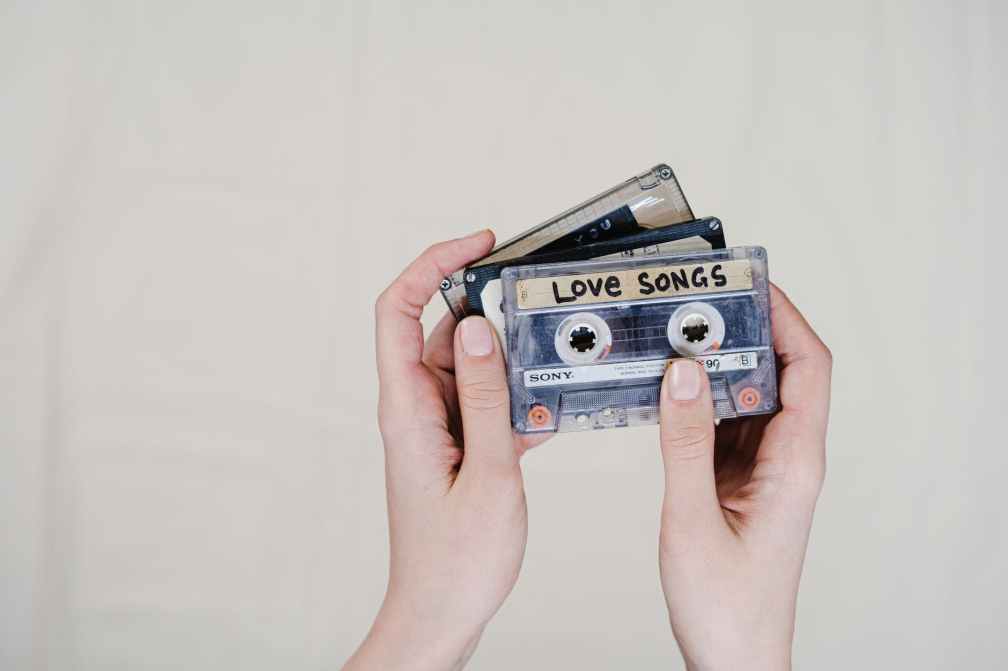
It’s no secret I love music. From my background as a pianist and composer to the wealth of songs from rock and metal artists around the world, it’s rare to find a moment when I’m not listening to music of some kind. From Beethoven to Behemoth, and Mozart to Mastodon, music is a central, fundamental part of my life, and I don’t think I could survive without it.
To that extent, the evolution of music consumption has been fascinating to me over the past few decades. To a large extent, I think the change from physical media to online streaming platforms has been a positive one, allowing far more artists to disseminate their music than ever before, getting their creations into the hands – and ears – of their fans. The ability to distribute music over the internet has revolutionized entire music scenes, never mind the industry as a whole, and where once young bands had to pawn their homemade tapes and CDs at gigs to the same crowds over and over, they can now see their music heard literally the world over with almost no effort whatsoever.
The ability to make revenue from record sales, of course, has diminished drastically, with streaming companies paying out fractions of pennies to starving artists, whilst keeping the bulk of their subscription costs to themselves. There are always two sides to every coin, and in this case the ability to distribute content globally means far less revenue per sale, or in most cases, per stream.
But there’s another aspect to streaming that I think has perhaps diminished our ability to truly enjoy and appreciate music, and it’s the overwhelming quantity of music available. With great quantity comes, if not a reduction in quality, a reduction at least of our ability to absorb the music and truly grow to know a song or album inside out.
Let me give you an example. Back in the early 2000s, I would frequently visit a local CD store to discover new music. Whilst there were a handful of bands who I knew, and would eagerly purchase each release the day it came out, I was also interested in discovering music from artists I had perhaps heard less of – or never heard of at all. To this extent, I would spend hours browsing albums, looking for album art, band names, and lyrics that spoke to me – all before ever hearing the music at all.
There was a lot of junk I discovered this way; artists who, had I been able to hear their music before purchase, I would likely have never spent money on. But there were some true gems, too – albums that stayed on heavy rotation, and which I grew to know like the back of my hand.
This lack of abundance – the fact that I could only afford to purchase a few albums a month – meant that I would spend those months listening to the same albums on repeat, over and over again, until I knew intimately which song came after which, exactly when the chorus was coming up, and was even able to sing along (to those songs that weren’t death metal) to the lyrics. I know Opeth’s masterpiece, Blackwater Park, better than I know some of my own compositions. I could sing along to ever single track from Sentenced’s brooding goth rock albums – especially Crimson and The Cold White Light.
The point here is that I learned these albums. They became a part of my subconscious, due to no other reason than I had nothing else to listen to. I might have listened to album 2-3 times a day back then – close a hundred times a month, until another album came out that I could afford to buy, and then I’d listen to that one a hundred times over as well.
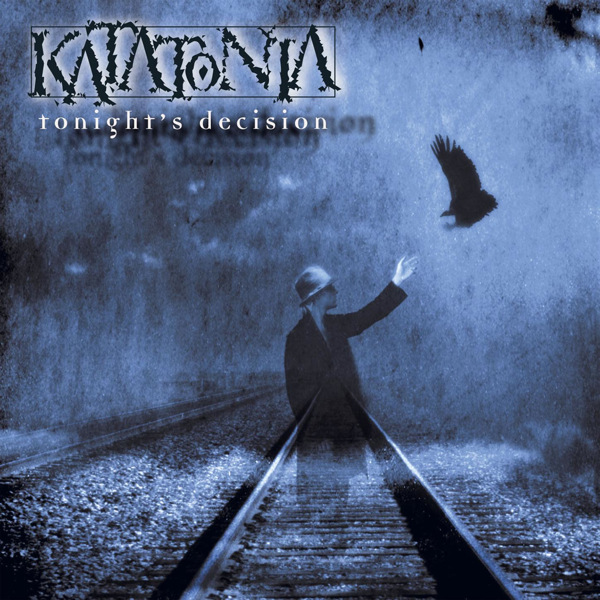
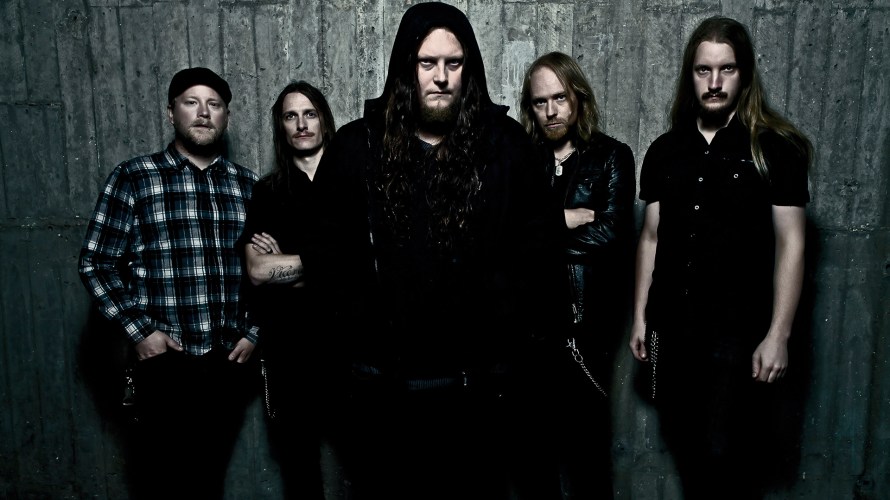
This just doesn’t happen anymore. In the past few weeks, two of my favorite bands released new albums: Katatonia’s Sky Void of Stars, and Insomnium’s Anno 1696. I’ve listened to them a handful of times, certainly, but before long I get distracted, listen to some other new music, or have Siri play random songs ‘picked just for’ me. In the past, I would have been listening to these albums on endless repeat.
The worse part of this is that, in order for a song or album to truly qualify for that now-unattainable “endless-repeat” status, it has to be of absolute stellar quality. And not every band, every time, can produce that level of quality. Even Opeth, arguably my favorite band of all time, have released albums recently that I’ve only listened to a handful of times. It’s not because they’re bad albums; it’s just because the choice of infinite other music means that unless I’m utterly blown away at first listen, I’ll eventually drift off to other new entertainment.
In the long term, I think this may lead to another musical detriment: the absence of strong, thought-out albums. Sure, there will be some artists that will continue to write just what they want to write, but for many, this mentality of having to come up with “instant hits” may mean that they sacrifice long-form integrity for the sake of a quick success. Albums that contain one or two killers tracks, and the rest is hot garbage.
Of course, the concept of “filler” tracks isn’t terribly new. But I do fear that we may, over the coming decades, even see the death of the album altogether, as it becomes physically and financially easier to just release individual songs as they’re recorded. Even Slipknot have done this recently, with tracks such as All Out Life, and more recently Bone Church, not being intended for an album at all.
In any case, this is the evolution of music consumption. It isn’t inherently good or bad, but I do miss the days when I would “learn” an album simply because I would have no choice but to listen to it over and over again. I don’t think I can say I truly “know” an album released in the past fifteen years.
I hope that one day, someone will release an album that I’m so taken with, I only want to listen to it, and nothing else, for a month straight.
We shall see.


 I was lucky enough to see them in 2003, right after the release of Deliverance, which contains some of the most rhythmically complex music they’ve ever written, and their performance of the title track was astonishing. I heard it again this time, and if anything they were even better.


 Satis Writes