
One would normally consider children’s stories – the good ones, at least – to be intriguing, witty, adventurous and begetting a danger that resolves into a heartfelt and touching conclusion. Roald Dahl is wonderful at this; I remember well the tension of so many of his stories; the awful churning as Danny crept through the woods in the middle of the night, looking for his missing father; I remember holding my breath as Sophie hid from the Bloodbottler in a giant snozzcumber, only to end up in the giants mouth; I recall trembling as I turned the pages of The Witches, unable to believe that hero of the story had actually been turned into a mouse.
This particular tale is rather unique in its direction, in that – unlike the rather mediocre movie it spawned – the main character goes through an irreversible change (in this case a metamorphosis) that affects the remainder of his life, even after the end of the tale. The ending of this book is bittersweet; we learn that the boy will never return to human form, and is likely to die within the next few years – around the same time that his beloved grandmother will. What an ending for a children’s book.
There are many stories in the world of great change – of things never going back to how they were. These are the tales that leave us feeling sad and bittersweet, and are the ones that touch our hearts. The Lord of the Rings is such a tale; so is To Kill a Mockingbird, and Nineteen Eighty-Four, and Pet Semetary. Some tales speak of the ultimate change, and bring our characters beyond the edge of death. This is the realm of the classical tragedy, epitomized in works such as Romeo and Juliet.
But these themes of strife, and pain, and death – they are not the themes you would expect of a children’s tale. Even tragedies that involve children (Pet Semetary springs to mind as a particularly gut-churning example) are not written for children.
So what, then, was Katherine Paterson thinking when she wrote the wonderful tale, Bridge to Terabithia? I was young – quite young – when I first read this story. I was innocent, and the closest I had come in literature to tragedy was the Hardy Boys (if anyone remembers, Joe’s girlfriend, Iola, dies in the Casefiles series). It was a cute story, I remember thinking; I identified very much with little Jess, lonely and depressed and shut off, and the strong desire to have a friend with whom to share your innermost thoughts.
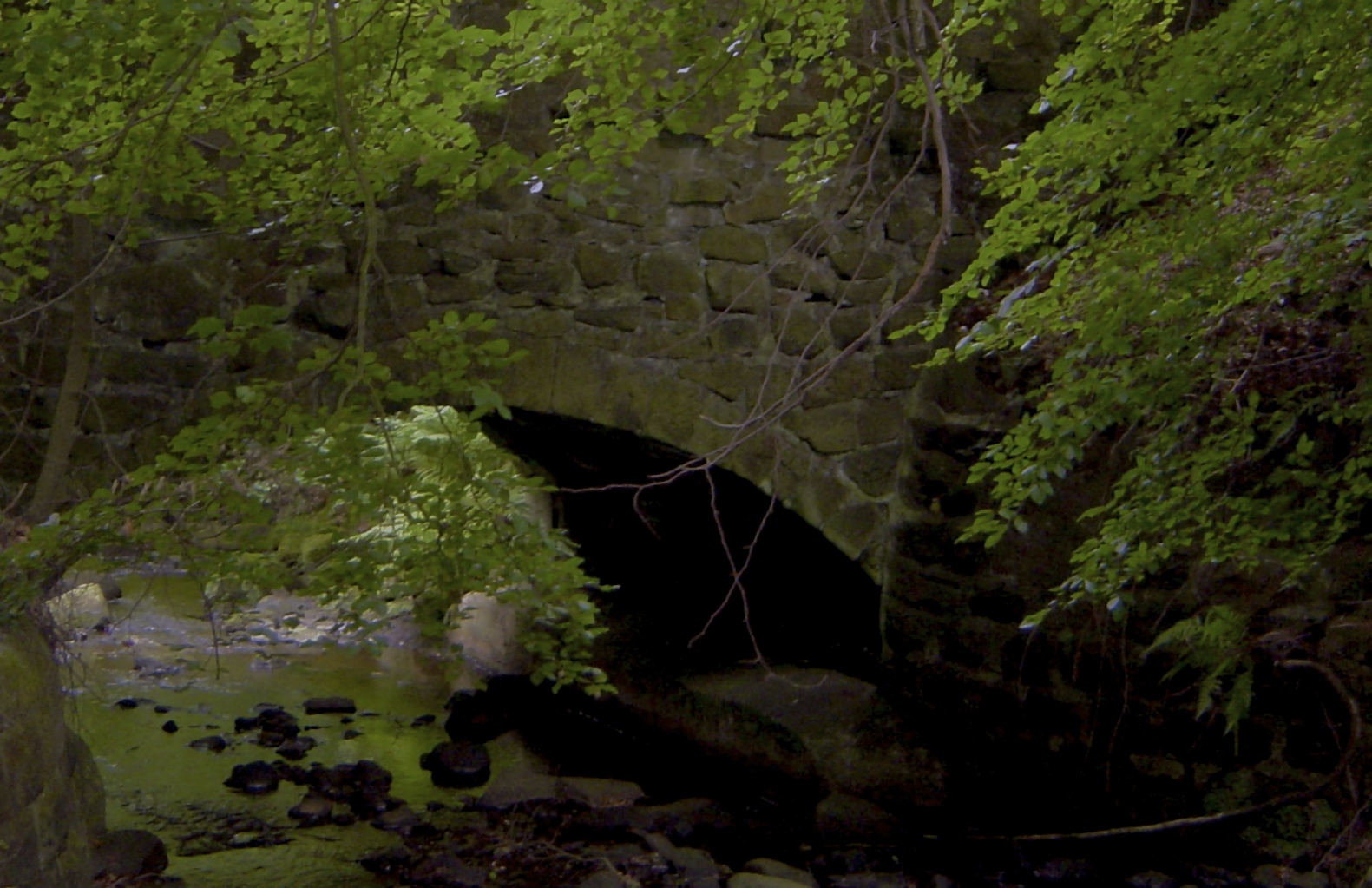
Jess, who could draw so well; Leslie, who could bring this out of him so well. She, who could invent entire worlds, and make them so real that Jess could veritably live in them with her. At first, of course, he’s unable to see, but as their relationship deepens (never love, but a iron-clad friendship), he begins to imagine her worlds with her, and they spend many days deep in the woods, crossing the dry riverbed to the wonderful land of Terabithia.
The land that, along with her, would come crashing down. The land that would be flooded and washed away, stripped of life by the same waters that stole hers.
And the land that, in time, would come to be his only saving grace; the one he would build a bridge to.
I cried bitter tears to read this story as a child, and it brings them to my eyes to write of it now. I felt betrayed – how could she? How could that be how it ended? It was a children’s book – people don’t die in children’s books.
But of course, people do die in our children’s lives. And it is a horror, and a tragedy, but it is also a part of life; they are rare, but those tales that touch on our mortality, and teach us the frailty of life, are the ones to be cherished above all others.
 Satis Writes