The call goes out for beta readers!

With only a single chapter left to write, it’s time to start thinking about the next step on the road to publication, which is to start content editing. While I’m going to go through the manuscript myself, of course, looking for plot holes and mistakes, I really, really need some help!

So the call is going out to ask for alpha/beta readers to assist in identifying structural issues, plot holes, and other problems with the manuscript that would prevent it from being its absolute best.

So if you’re interested in reading a brand-new book before its publication for free, drop me an email at satiswrites@icloud.com or leave a comment, and I can send a manuscript your way. If you prefer print, I’m looking into possibilities to get draft copies in paperback so you have a real book in your hands.

Don’t leave me hanging—I need all the help I can get, and you get a free book out of it!

Many thanks,


Satis 2017

P.S. If you haven’t read the previous two books, I’ll happily send you either copies of both if you want to read the full book, or a detailed synopsis of each if you don’t have the time.
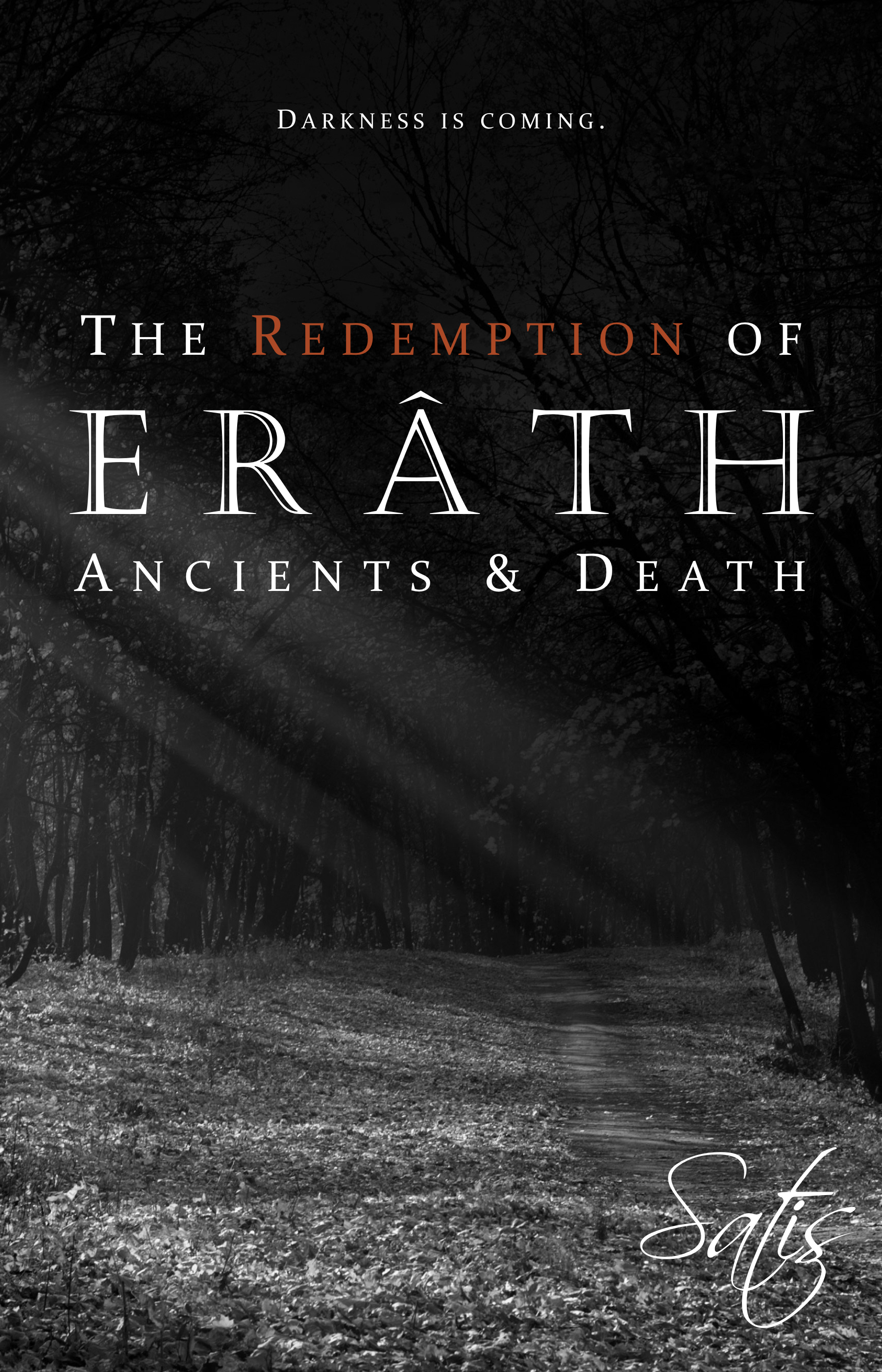
Which cover do you prefer for Ancients & Death?

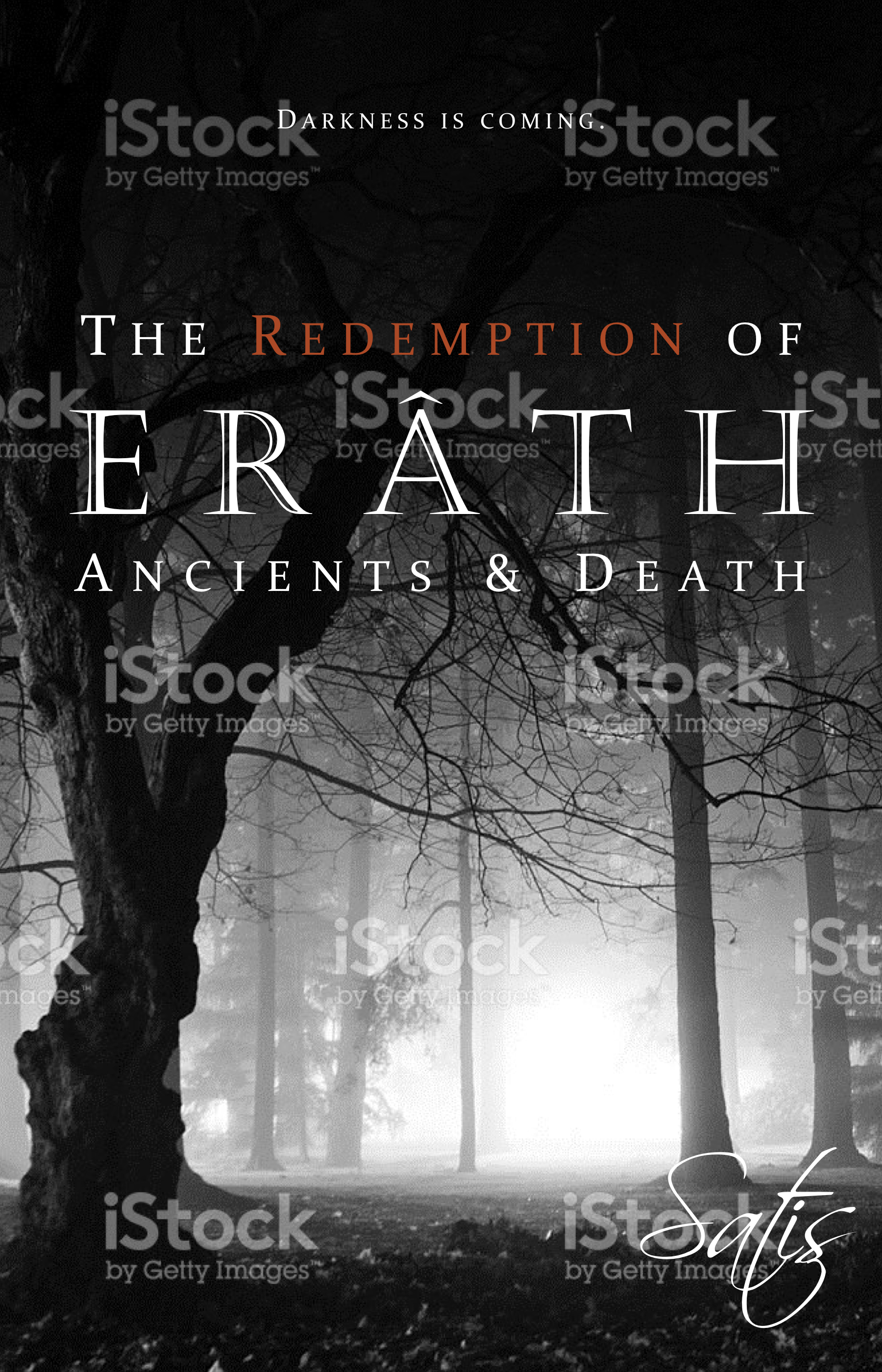
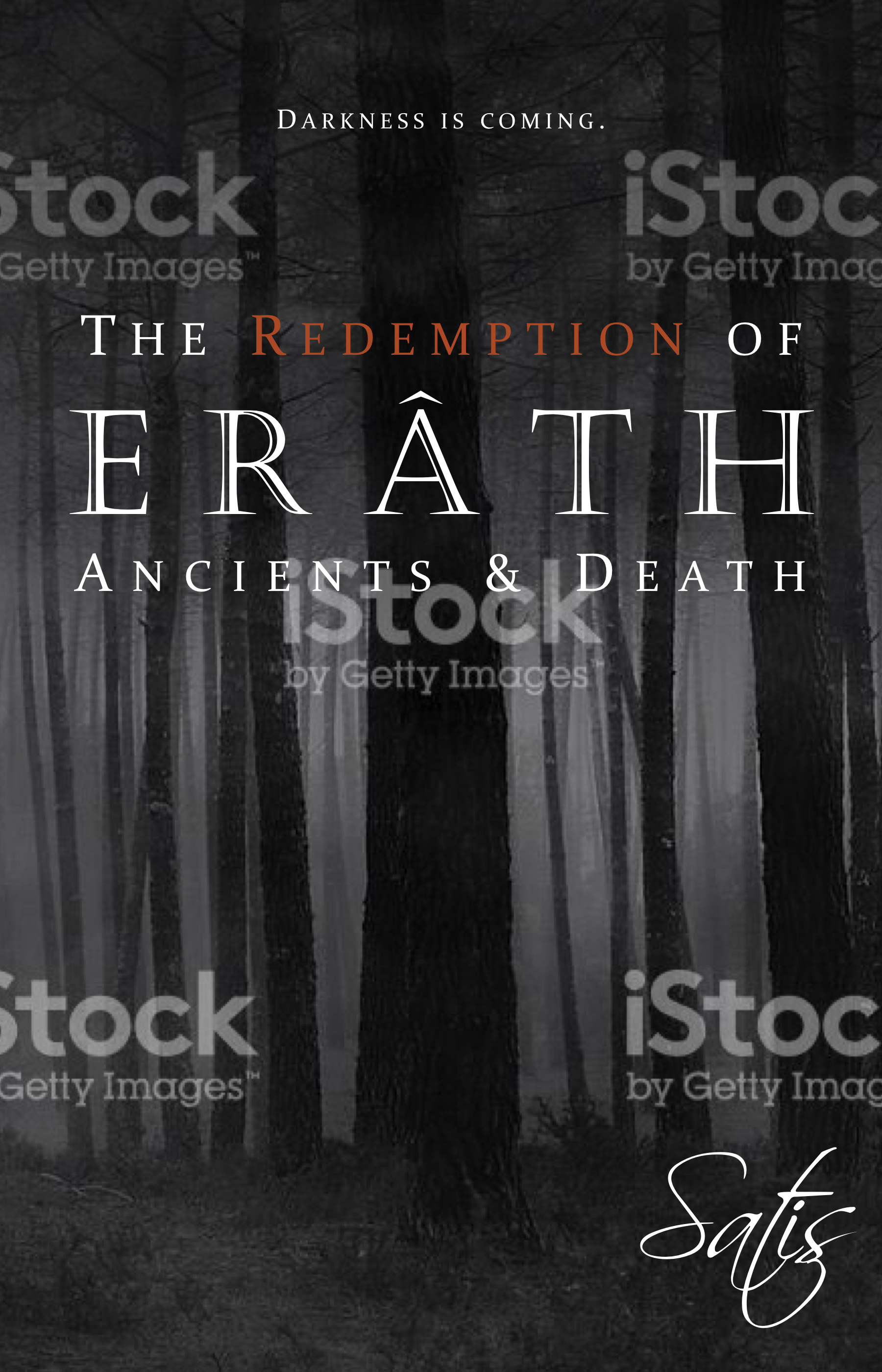
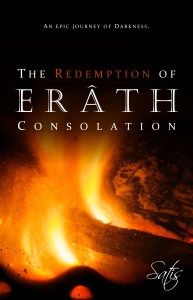
With the first draft of Ancients & Death nearly complete and ready for the editing stage, I’m starting to look toward possibilities for covers of this third book in the series. The theme is ‘Darkness is coming’, and previously I’ve used single, full-spread photos for the covers. To remind you, here are the covers for Consolation and Exile:

Below you will find six draft covers for Ancients & Death; I would love to know what you think—is there one you prefer, or do none of them catch your fancy? What do you think best represents the title, Ancients & Death? Let me know in the comments!

The Genealogy of The Redemption of Erâth

So, instead of writing recently I’ve been playing around with MacFamilyTree, which is a pretty neat genealogy application (I’m sure there are equivalents for Windows). Not only does it let you add in mothers, fathers, partners, brothers and sisters, but it then tells you the relationship between all these people, gives you plausibility warnings (e.g. if someone was married two years after they were born), and gives you the person’s age at time of death.

Continue reading