Music I Love: The Optimist, by Anathema

Album: The Optimist
Artist: Anathema
Year: 2017

Track Listing:

  1. 32.63n 117.14w
  2. Leaving It Behind
  3. Endless Ways
  4. The Optimist
  5. San Francisco
  6. Springfield
  7. Ghosts
  8. Can’t Let Go
  9. Close Your Eyes
  10. Wildfires
  11. Back to the Start

Anathema are an oddity of a band, and I love them for it. From their roots as a doom/death metal outfit in the early 1990s (in fact considered one of the “Peaceville Three” along with Paradise Lost and My Dying Bride, founding the British doom scene at the time), they’ve evolved over the past two and half decades into something much more spiritual and emotive.

Their big turnaround came after a seven-year break between A Natural Disaster (2003) and We’re Here Because We’re Here (2010), when they more or less reinvented themselves – not in terms of sound, but in terms of spirit. Where songs from the former album drag the listener on a journey of panic and despair:

Shadows are forming take heed of the warnings
Creeping around at four in the morning
Lie to myself start a brand new beginning
But I’m losing myself in this fear of living

Pulled Under at 2000 Metres a Second – A Natural Disaster

We’re Here Because We’re Here presents an entirely different shift of perspective:

Needed time to clear my mind
Breathe the free air find some peace there
I used to keep my heart in jail
But the choice was love or fear of pain and
And I chose love

Everything – We’re Here Because We’re Here

This spiritual optimism is carried forward throughout their subsequent albums, Weather Systems and Distant Satellites, and persists on their latest release, The Optimist. The irony here is that The Optimist is a sort of loose concept album based on the cover art for their 2001 effort A Fine Day to Exit – arguably their darkest and most depressing release ever.

Opening with a prelude track (which includes snippets of previous Anathema songs) that sounds like someone dragging themselves back to a car after trying to drown themselves in the ocean, we move seamlessly into the first song, Leaving It Behind, opening with a patter of electronic drumbeats before a dark storm of semi-distorted guitar washes over everything.

Yet not all is so gloomy; tracks such as Endless Ways and the title track are gentler, with soothing piano and soaring melodies, harkening back to the early days of their reinvention with We’re Here Because We’re Here and Weather Systems.

Anathema have settled on a sound that works for them; a distinct blend of acoustic, electric and electronic that is at once familiar and yet instantly identifiable. If there is a criticism to this album compositionally it is that the band relies heavily on ostinato, with endlessly repeating refrains over which the lyrics are sung in duet by both Vincent Cavanagh and Lee Douglas, alternating between Cavanagh’s angsty vocals and Douglas’ soulful melodies.

It’s hard for me to say this is my favorite Anathema album; to me, their best work remains in the past, when they were dark and depressing and matched my mood so well. That being said, this is the sound of a band at their peak maturity, knowing what works for them and running with it. Of their four “new” albums, The Optimist stands out head and shoulders above the others, and for good reason: it truly is an exemplary vision of spiritual indie rock at its best.
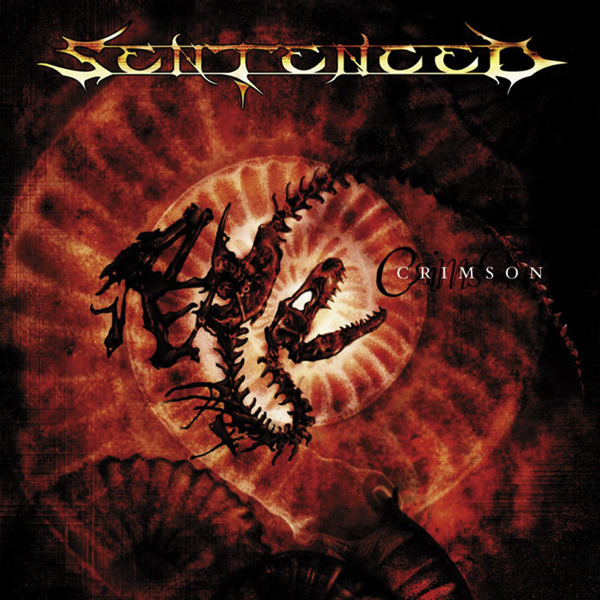
Music I Love: “Crimson”, Sentenced (2000)

I first wrote about this album five years ago here, but I’ve been going through a brief resurgence of depression over the past few days, and there is no album that better summarizes those feelings for me than Crimson, by Finnish goth metal band Sentenced.

Sentenced’s career (now a decade over) started as a fairly traditional death metal band, before growing their singer’s melody from a guttural growl, and for many people their breakthrough album was Amok, released in 1995. Their lyrics have been filled with loathing and depression from the outset, but for me their peak was with 2000’s Crimson. The previous two albums, Down and Frozen have some gems, such as The Suicider, but for me Crimson was the first time that Sentenced truly abandoned their death metal roots entirely for a more pop-goth metal sound, never heard better than on their (Finnish) chart-topping Killing Me Killing You.

This album resonated deeply for me in my youth, for the lyrics seemed to perfectly encompass the bleak despair and misery that I lived through every day:

And yet in some twisted way
I enjoy my misery
And in some strange way
I have grown together with my agony

Home in Despair, Crimson (2000)

Now, seventeen years later, it brings back powerful memories of darkness and despair, and has ever been the soundtrack to depression throughout my ever-changing mental illnesses. Sentenced deliberately broke up in 2005 after releasing their final album, The Funeral Album, and although both it and 2002’s The Cold White Light were phenomenal monuments of bleak despair, nothing will ever top Crimson for its utter, devastating depression.


Sonata Arctica: The Ninth Hour (2016)

Finnish power metallers Sonata Arctica have long been a favorite band of mine, alongside Opeth and My Dying Bride, despite having a much more upbeat (generally) sound than those other death metal bands. I’ve been listening to their music for a long time, and it’s been a wonderful journey to hear them develop from what started as essentially a Stratovarius clone into a truly unique, mature band with a sound all their own.

This is the best album Sonata Arctica have released since 2009.

My favorite album to this day is their 2009 opus The Days of Grays, which opens with a hauntingly beautiful piano intro before swelling into the dark and powerful Deathaura, a seven-minute song about being in love with a witch. The darkness of this album remains steady throughout, rarely breaking from its stride, and it was on repeat ceaselessly while I wrote the first draft of Consolation. To this day it remains the soundtrack to my first book, and I’ve been wondering when Sonata Arctica would release an album of its caliber again.

The Ninth Hour might just be that album. The Days of Grays were followed by two more albums, Stones Grow Her Name and Pariah’s Child, which, while nonetheless strong albums, failed to capture the sense of cohesiveness and flow that their 2009 album had. The Ninth Hour has no such faults: opening with the insanely catchy Closer to an Animal, the vocal melodies are at times surprising, not quite going where you might expect them to—yet always land right where they should. The second song, Life, picks up this torch and carries it even further, with its la-la-la chorus sticking in the mind from the first time it’s heard.

The album continues on from there, with an exceptionally strong middle section in the form of ‘Til Death’s Done Us Apart and Among the Shooting Stars. There are still the occasional ‘classic’ Sonata Arctica songs: Fairytale and Rise a Night thunder through at breakneck pace, although this latter song could arguably have been left off the album—it would have shortened it just slightly, and it feels a touch out of place between Among the Shooting Stars and Fly, Navigate, Communicate. The epic White Pearl Black Oceans, Pt II is a perfect penultimate song, and the closer On the Faultline (Closure to an Animal) brings back the melodies of the very first song, now slowed down to a lament.

This is the best album Sonata Arctica have released since 2009, and it is rapidly becoming a frequent player on stereo. With a bit of time, it might even become the soundtrack to the book I’m writing now, just as The Days of Grays did five years ago!